
What are polyurethane implants and what are their advantages?
Polyurethane implants are an increasingly popular option in breast surgery because of their stability, adaptability and long-lasting results. Unlike other implants, these implants have a special coating that promotes improved tissue ingrowth, which can have a positive impact on both the aesthetic appearance and post-surgical development.
If you are considering a breast augmentation or reconstruction, knowing how polyurethane implants work and what advantages they offer may help you make an informed decision together with your surgeon.
What are polyurethane implants?
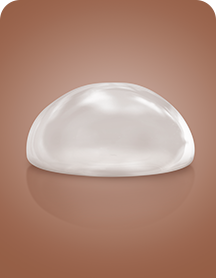
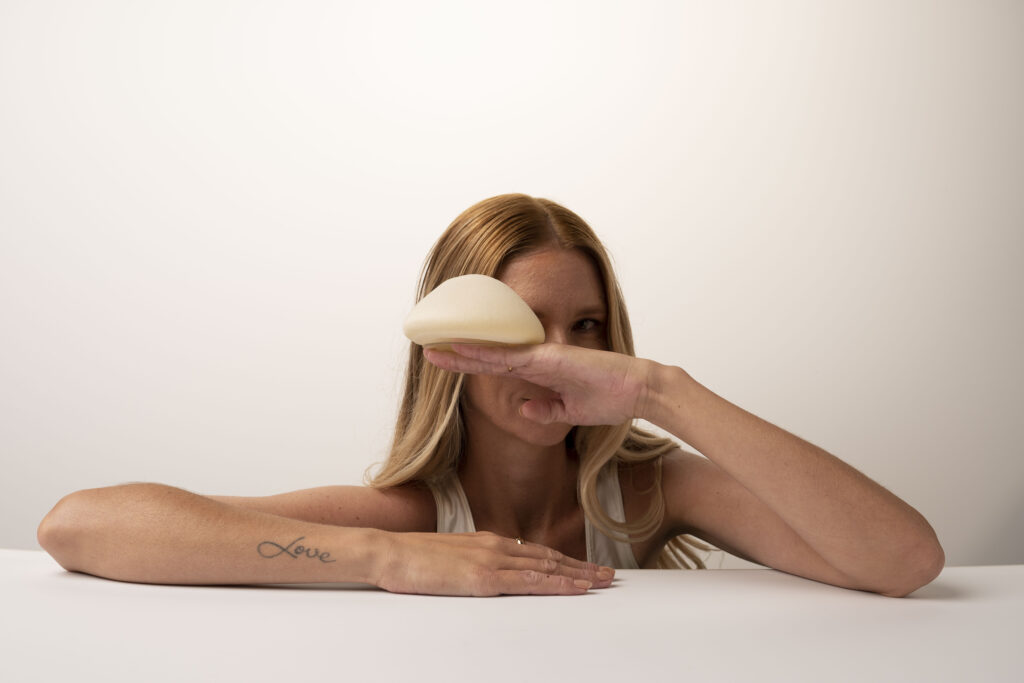
Polyurethane implants are breast implants coated in a layer of polyurethane foam that adheres to the outer surface of the implant. This coating provides a controlled interaction with the breast tissue, helping the implant remain in its position.
They are designed to offer increased stability and a velcro-like adhesion that prevents implant rotation or displacement.1
Differences between polyurethane implants and other kinds of implants
The main difference between polyurethane implants and other breast implants lies in their coating:
- Polyurethane implants encourage gradual adhesion to the tissue1
- Other anatomical implants with other kinds of implant surfaces can rotate on their vertical axis over time. The polyurethane coating prevents this complication for both patients and surgeons, mainly through using this implant profile.2
- Polyurethane is especially indicated when there is a need for stability and reduction in displacement1
These differences mean that the choice of implant should always adapt to each patient’s anatomy and needs.
How are polyurethane implants made?
It is important to have polyurethane implants made by companies that are certified and that comply with relevant regulations, and that have experience, as is the case with Silimed. We started producing our Pure Polyurethane® polyurethane implants in 1989 with advanced vulcanisation technology that optimised adherence and reduced complications, marking a milestone in the company’s innovation. In 1996, the Pitanguy Rebello model was launched, an innovation in joining the base without edges, designed to be unnoticeable and unfelt in women with a slimmer complexion and thinner skin.
The excellent performance of Silimed’s polyurethane implants is due to the formation of numerous microcapsules created by fibroblasts1 in the polyurethane foam matrix, instead of a single linear capsule, neutralising contraction vectors. This 3D matrix of intertwined collagen inside the polyurethane foam is what provides that velcro-like adhesion that prevents the rotation or displacement of the breast implant. 1
Advantages of polyurethane implants
Polyurethane implants are known for a number of advantages that explain the favourable opinions expressed by both patients and specialised surgeons.
Increased adaptability and more natural appearance
Thanks to their capacity for tissue ingrowth, these implants can offer a result that:
- Is more stable
- Adapts to the shape of the body thanks to the different implant shapes available depending on the patient’s biotype
- Offer a sensation of becoming gradually more natural-looking
This adaptability is particularly valued by patients with complex anatomies or patients with very little breast tissue.
Reduced risk of capsular contracture
One of the most relevant aspects of polyurethane implants is the way they behave in terms of capsular contracture.
The polyurethane coating provides a more uniform capsule, which can help reduce the incidence of capsular contractures compared to other surfaces, always within the proper surgical indications.
The safety and confidence that these breast implants create in regard to capsular contractures is backed by a scientific study in which post-operative follow-up showed 1% capsular contracture in 1,2573 patients over 15 years.
Polyurethane durability and resistance
The second most common cause for reintervention in breast augmentation surgeries is implant rotation or displacement.8 Polyurethane is a material designed to offer:
- High resistance
- Good long-term behaviour
- Structural stability
This contributes to long-lasting and predictable results when the right medical indications are followed.
Disadvantages or limitations of polyurethane implants
Like any implant, polyurethane implants are not the ideal option in every case; this will depend on the patient and the final decision made by the surgeon.
Possible side effects
After polyurethane implants are inserted, the same effects that occur with any breast surgery may arise, such as inflammation, temporary discomfort or changes to sensitivity, which often subside over time and with the proper follow-up.
Studies confirm the following rates of the most common complications:
- 2% seroma3
- 0% cases of delayed seroma3
- 1.2% haematoma3
- 0.4% infection2
Who are polyurethane implants recommended for?
At Silimed, we know that each patient and each case is unique. Polyurethane implants are the ideal choice for surgery in some candidates.
Ideal candidates for these implants
Polyurethane implants are often recommended in:
- Patients with a risk of implant displacement
- Secondary surgeries or implant replacements
- Breast reconstruction
- Cases of mild or moderate ptosis
Indications according to breast type and anatomy
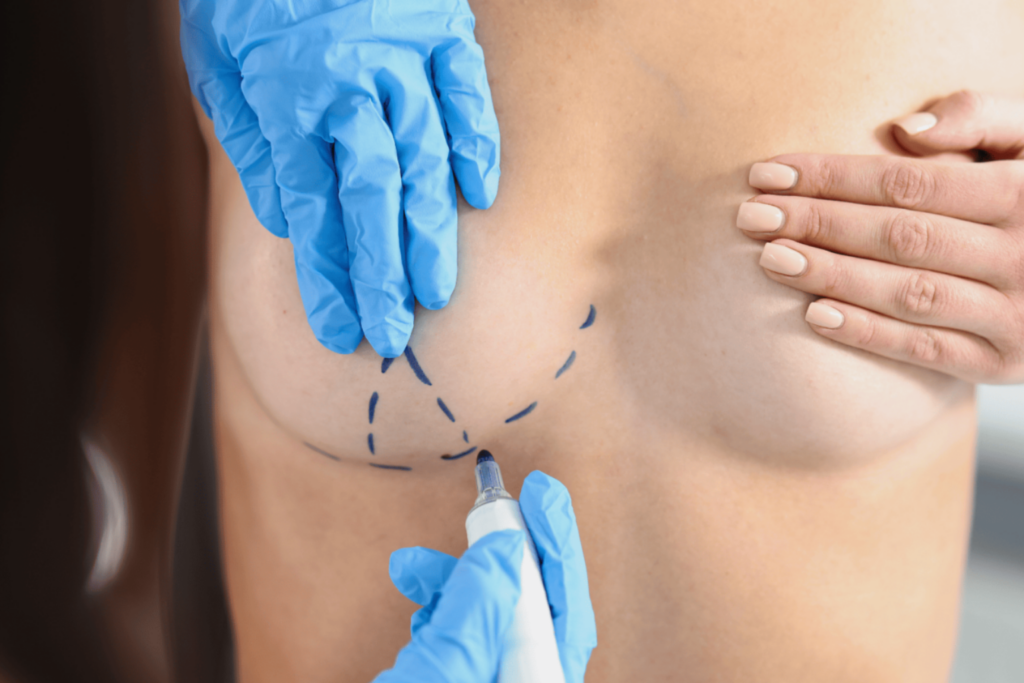
Every woman is unique. Factors such as the width of the chest, the quality of the skin or the amount of breast tissue have a direct impact on which implant is the most suitable, both in terms of the surface and the shape to meet the patient’s desires and expectations.
Care and maintenance after polyurethane implant surgery
Post-surgical care and instructions need to come directly from the surgeon who has performed the procedure.
Post-surgery recommendations
For a good recovery, you should:
- Strictly follow the surgeon’s instructions
- Attend the medical check-ups scheduled by your surgeon
- Avoid physical exertion during the initial period
- Use the correct post-surgery bra
How to maintain natural results for longer
A healthy lifestyle, regular check-ups and the right choice of implant help to maintain long-term satisfactory aesthetic results.
Silimed polyurethane implants
In 1989, Silimed developed its own innovative technology for producing polyurethane implants.
What characterises Silimed’s polyurethane implants?
Silimed has extensive experience in developing polyurethane implants, incorporating its own technology and manufacturing processes that guarantee:
- Homogeneity in the coating
- Safety of the material
- Adaptation to different biotypes thanks to the BioDesign line
-
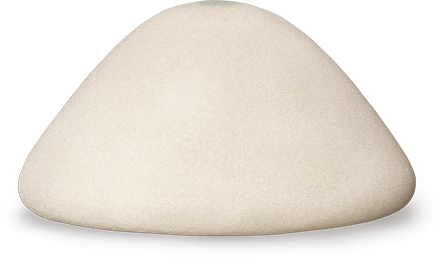
Advance •
Round base • Conical Profile • Medium Pole
Obtain a superprojected cervix and ptosis correction.1
Advance
-
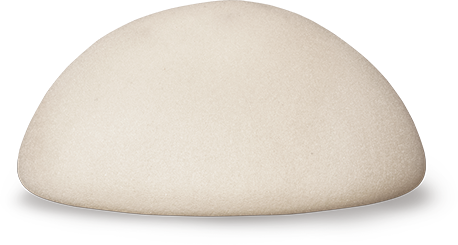
Maximum •••
Round Base • Spherical Profile • Medium Pole
Greater projection for breasts with a marked cervix.
Maximum
-
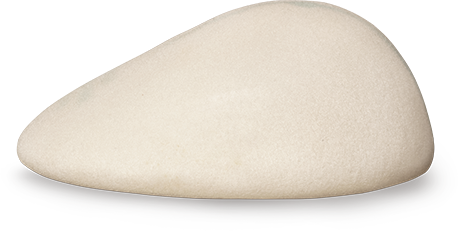
Natural ••
round base • Folding profile • medium pole
Breast augmentation without excessively marking the cervix, giving a more natural appearance.
Natural
-
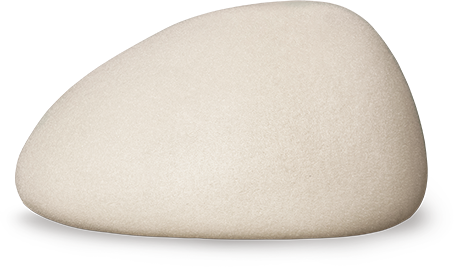
Nuance ••
Oval Base • Anatomical Profile • Lower Pole
Filler for the lower pole of the breasts, for women with shorter and wider chests.
Nuance
-
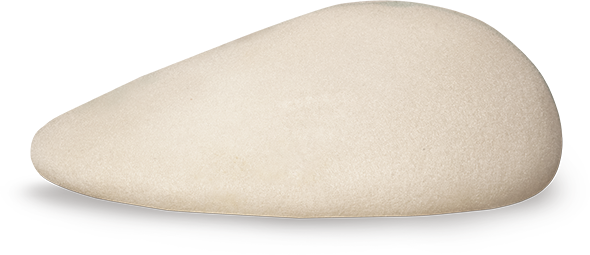
Enhance ••
Oval Base • Anatomical Profile • Top Post
Filler for the upper pole of the breasts, for tall, thin women with long, narrow chests.
Enhance
In 2006, Silimed launched an exclusive implant with a conical shape and round base, known as Advance. This polyurethane implant was unique in Europe, and has certain specific advantages:
- Lift without mastopexy scars9
- Suitable for patients with a reduced cleavage following pregnancy or weight loss9
- Natural projection with a more youthful appearance9
- Good elevation of the nipple-areola complex9,10
- Thin, less noticeable edge11
- Fullness of the upper pole with super projection
Specific advantages of Silimed implants compared to other brands
Among the different aspects are:
- Wide range of shapes and projections
- Full traceability through the patient card and serial number
- Continuous development based on clinical experience
FAQs about polyurethane implants
What are the benefits of polyurethane implants compared to other implants?
The main advantages are:
- Stability and reduction in displacement1, which can lead to more predictable results.
- 1% capsular contractures in 15 years3
Are polyurethane implants safe?
Yes, provided they have been manufactured under international regulations and used according to the manufacturer’s instructions and medical indications.
How long do polyurethane implants last?
Like all breast implants, Silimed implants have a limited lifespan. The science community hasn’t yet been able to determine an exact expiry date. Their lifespan depends on multiple factors such as the surgical procedure, anatomy and state of health, and the patient’s lifestyle, in addition to foreseeable and unforeseeable external mechanical influences. However, Silimed has established an average implant lifespan of 10 years, which may change in the event of a justified reason. That’s why at Silimed, we recommend an annual clinical check-up for patients with their surgeon.4,5,6,7
Do polyurethane implants leave a scar?
Scarring depends on the surgical technique employed by the surgeon and the type of incision, be that periareolar, axillar or inframmamary, not the implant itself.
- Fleming, D. (2008). Polyurethane foam covered breast implants. En Peters, W. (Ed.), Biomaterials in Plastic Surgery: Breast Implants (pp. 95–120). Oxford: Elsevier.
- Vázquez, G., Pérez-Cano, R., & Chávarri, M. (2013). Patients’ satisfaction with anatomic polyurethane breast implants. Aesthetic Plastic Surgery, 37(3), 541–547.
- Vázquez, G. & Pellón, (2007). A Polyurethane-coated silicone gel breast implants used for 18 years. Aesthetic Plastic Surgery, 31, 330-336.
- Internal document, Silimed usage instructions (e-IUP-001-01-P-E)
- Internal document, Silimed usage instructions (e-IUP-001-02-LN-E)
- Internal document, Silimed usage instructions (e-IUP-001-01-T-EC)
- Internal document, Silimed usage instructions (e-IUP-001-01-l-EC)
- Institute of Medicine (1999). Safety of Silicone Breast Implants. Washington, DC: The National Academies Press https://doi.org/10.17226/9602
- Georgeu, G. A., & Frame, J. D. (2013). Conical polyurethane implants – An uplifting solution. Journal of Plastic, Reconstructive & Aesthetic Surgery, 66(11), 1482–1489.
- Cardoso, I. F., Cardoso, J. B., & Cardoso, G. F. (2014). Periareolar (circumareolar) mastopexy with conical breast implants: Treatment of ptosis, hypomastia, and changes in position and size of the nipple-areola complex. Revista Brasileira de Cirurgia Plástica, 29(3), 368–374.
- Miró, A. L. (2009). Polyurethane-coated silicone breast implants: Evaluation of 14 years of experience. Revista Brasileira de Cirurgia Plástica, 24(3), 296–303.