
Self-Love and Choice: Your Body, Your Love Language
Valentine’s Day is often associated with romantic love. Couples, flowers, and grand gestures tend to take center stage. But for many women today, love is being redefined. It feels quieter, more intentional, and deeply personal. It’s about the relationship you have with yourself, and with your body.
Self-love isn’t a slogan or a trend. It’s an ongoing process. And learning to listen to your body is often where that process begins.
What Self-Love Looks Like Today
Not long ago, self-love was framed as unconditional acceptance. Love yourself exactly as you are. Never want to change. But that definition no longer reflects how many people experience self-love today.
For a younger generation, self-love is about awareness. It’s about understanding your body, your needs, and your desires, without guilt or outside pressure. It means asking what feels right for you, not what is expected, approved, or trending.
For many women, this includes rethinking how they care for themselves physically, emotionally, and mentally. Self-care isn’t limited to rest or boundaries. It can also be about growth.
Your Body as a Love Language
We often talk about love languages in relationships. Words of affirmation. Quality time. Acts of service. But your body has its own way of communicating with you.
It shows up in how comfortable you feel in your own skin. In moments of confidence, and in moments of hesitation. In the quiet sense of alignment, or the feeling that something isn’t quite right.
Listening to your body means paying attention to those signals instead of ignoring them. It means allowing yourself to respond with care, rather than judgment.
For some, that care looks like slowing down.
For others, it means setting boundaries.
And for some, it means making a thoughtful change.
When Wanting Change Is an Act of Self-Love
There’s a common assumption that wanting to change something about your body means you don’t love yourself. In reality, the opposite is often true.
Wanting change doesn’t automatically come from insecurity. Many times, it comes from self- knowledge.
Choosing to work on yourself, whether emotionally, physically, or aesthetically, can be an act of self-respect. It can be a way of saying that you’ve listened to yourself and you’re making an informed decision that feels aligned with who you are.
What matters is intention. Self-love isn’t about chasing perfection or meeting someone else’s expectations. It’s about making choices that support your life, your body, and your sense of self.
Self-Care, Body Confidence, and Personal Choice
Body confidence doesn’t follow a single definition. It isn’t about fitting into a standard or reaching an ideal. It’s about feeling comfortable and confident in your own body, in a way that feels true to you.
For some people, confidence comes from embracing what’s already there. For others, it comes from taking steps toward feeling more aligned with how they see themselves.
Aesthetic procedures, when considered thoughtfully and responsibly, can be part of a broader self-care journey. Not as a response to pressure, but as a personal choice rooted in autonomy and awareness.
There’s no single path to self-love. And there doesn’t need to be.
Personalization, Options, and Respecting Different Biotypes
Self-love also means recognizing that no two bodies are the same. Different anatomies, lifestyles, and personal goals naturally call for different approaches to care.
That’s where the idea of options becomes important. Thoughtful self-care isn’t about choosing from a single standard or ideal. It’s about having access to solutions that can adapt to different bodies and individual needs.
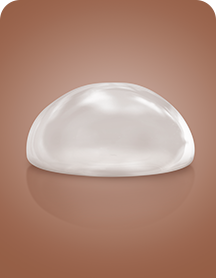
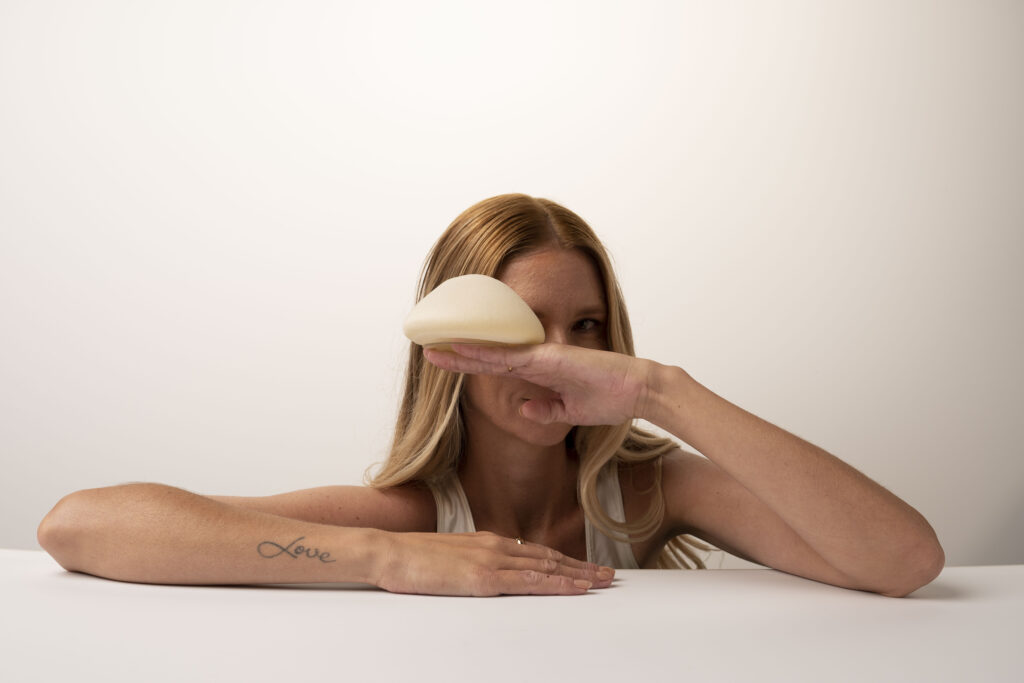
At Silimed, this philosophy is reflected in a portfolio designed around diversity and personalization. By considering different biotypes, shapes, and structures, the focus shifts away from a one-size-fits-all approach and toward choices that respect how each body is built and how it moves through life.
Biotypes acknowledge that bodies vary in structure, proportions, and behavior over time. What feels right for one person may not feel right for another, and that difference isn’t something to correct. It’s something to respect.
When care is personalized and supported by real options, self-love becomes more intentional. It moves away from trends and toward alignment, helping people make informed decisions that feel true to themselves.
Letting Go of External Noise
Few personal decisions are made in a vacuum. Opinions come from everywhere. Friends, family, social media. Everyone has something to say.
But your body isn’t a public conversation.
Self-love also means knowing when to listen and when to tune out voices that don’t serve you. It means trusting yourself enough to make decisions without needing constant validation.
Your experience doesn’t need to look like anyone else’s to be valid.
Valentine’s Day, Reimagined
This Valentine’s Day, love doesn’t need to be loud or performative. It doesn’t need grand gestures or external approval.
It can be quiet.
It can be intentional.
It can start with you.
Your body is your love language. Learning to listen to it is one of the most meaningful ways to practice self-love, not just on Valentine’s Day, but every day.